A Personality Test That Insults You, 400,000 Stolen KitKats, and the Great Meme Reset
Four weird, viral, slightly-cursed things that crossed the internet's borders — and what they say about where it's all headed.
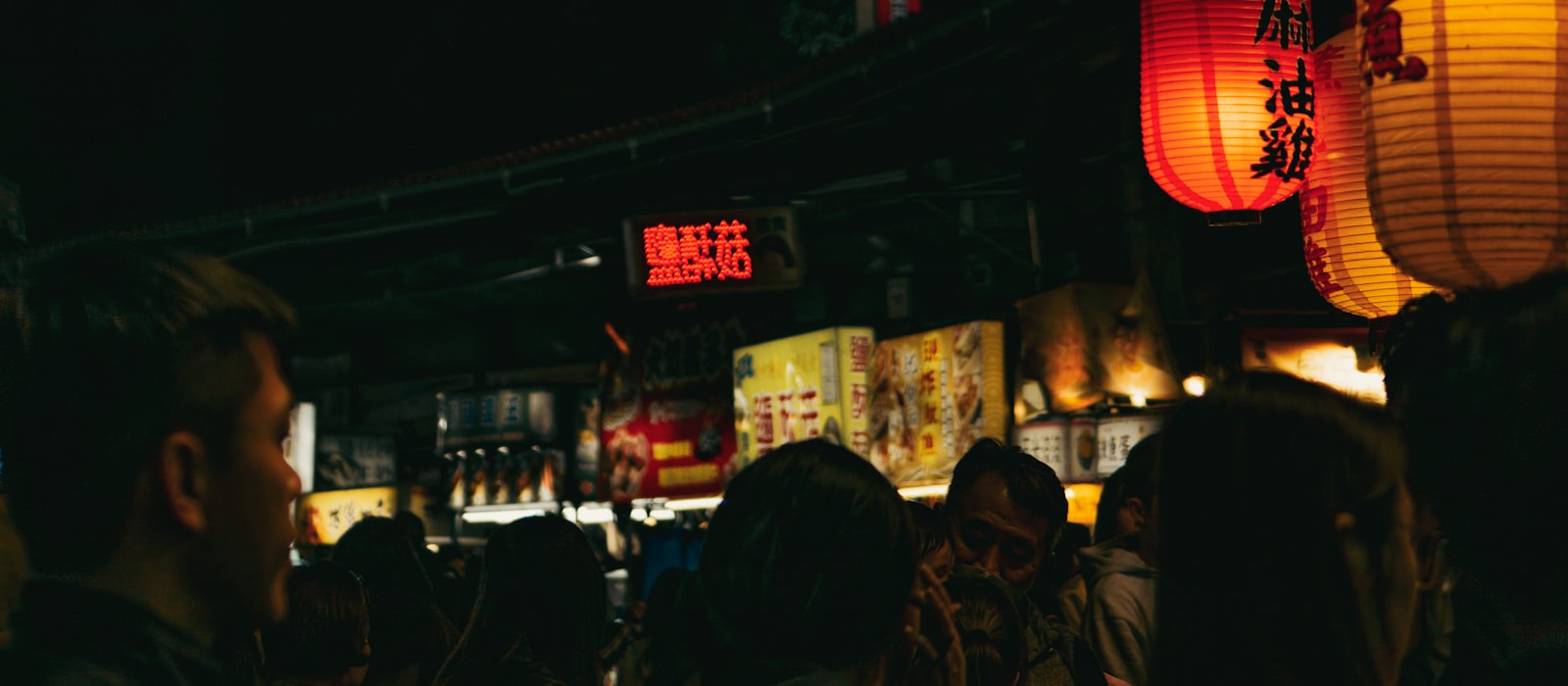
The internet has two halves that mostly pretend the other doesn't exist. Every so often something leaks across the firewall in both directions at once — a meme, a panic, a personality test that calls you a possum.
The Night Market is where we collect those things. Here are four that crossed over, from the genuinely cursed to the merely strange.
A personality test is roasting millions of people — and they keep sharing the results
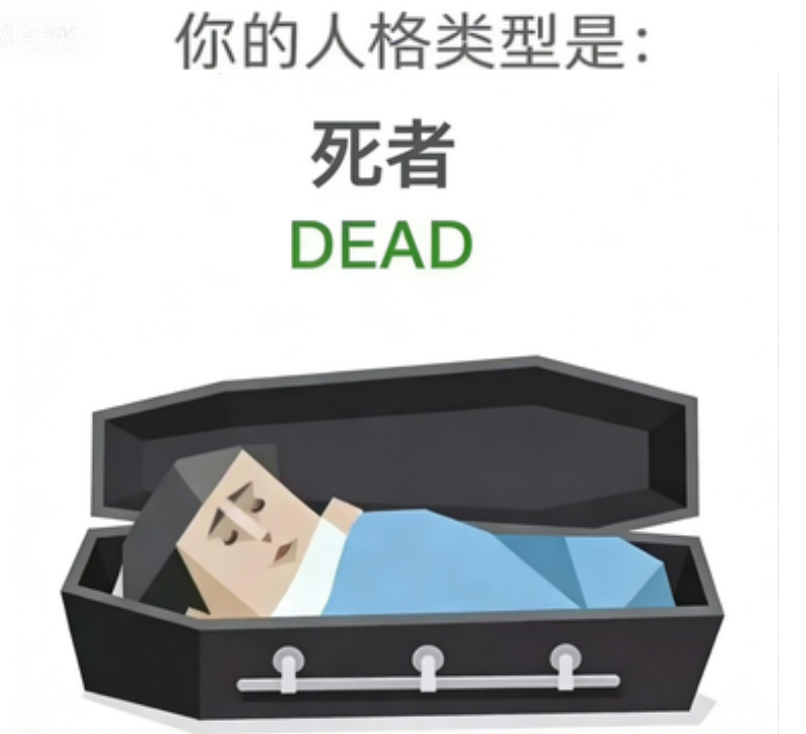
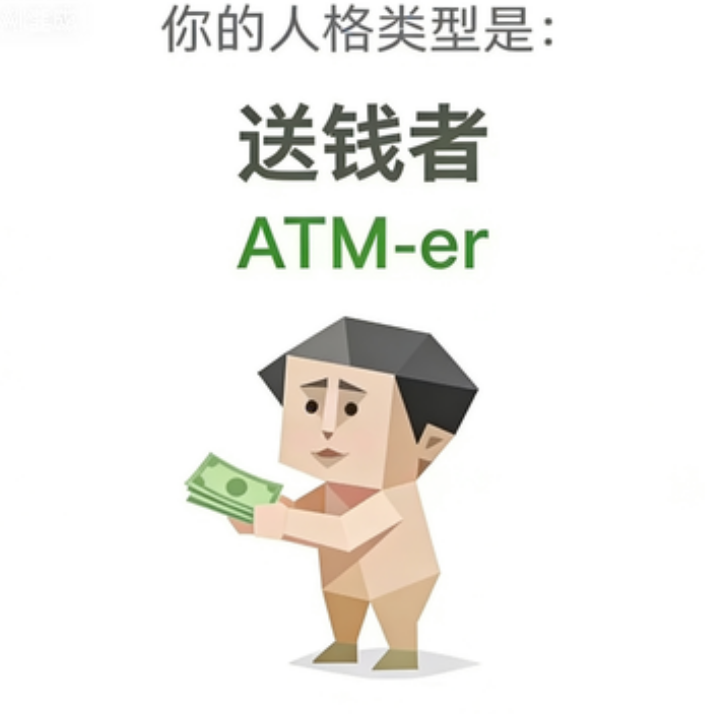
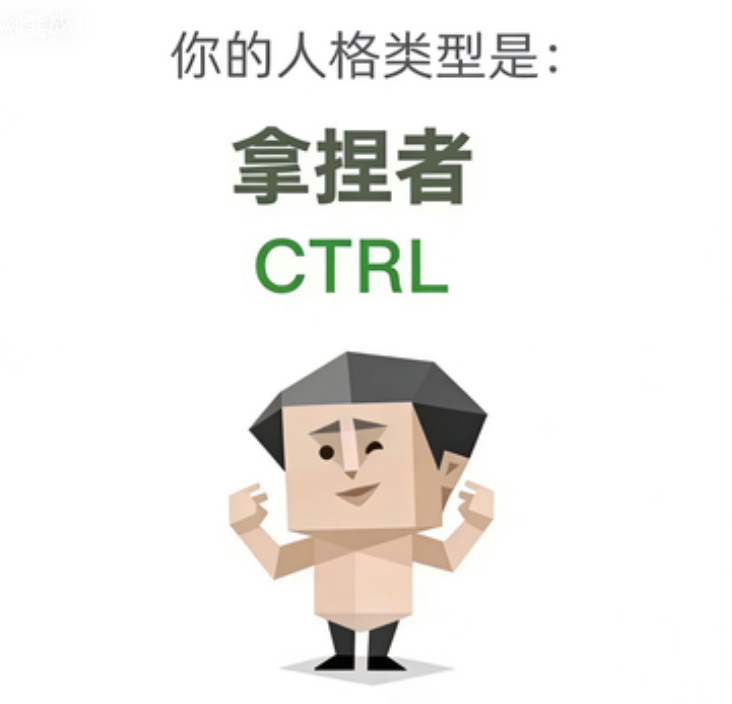
Someone in China built a personality test called SBTI — basically MBTI, except instead of telling you you're an "Architect" or a "Mediator," it tells you you're The Possum. Or The Dead One. Or The ATM.
There are 27 types. They all sound like insults. People can't stop taking it.
The test blew up on Chinese social media in early April 2026. Within 48 hours it hit 40 million searches on WeChat, and a single explainer video on Bilibili pulled 2 million views in a day. Then it jumped to Vietnam, where Gen Z started panic-sharing their results on Facebook and Zalo like it was a public health announcement.
The appeal is hard to explain if you haven't taken it. It's 27 questions across 15 dimensions, which sounds like a lot — but the payoff is a result card that roasts you so specifically that people screenshot it and send it to the group chat with a caption like "I got The Possum and I'm not okay."
What makes it interesting isn't the quiz mechanics — it's the names. MBTI tells you you're an INTJ and you feel smart. SBTI tells you you're DEAD and you feel seen. The self-deprecation is the feature, not the bug. It's a personality test for people who are tired of personality tests telling them they're special.
It crossed enough language barriers that English-language outlets picked it up within a week — TechNode called it "China's latest viral meme," and the Global Times ran a think-piece warning youth about "the trap of labels."
If you haven't taken it yet: sbti-tests.app. Don't blame us for what you get.
The Great Meme Reset
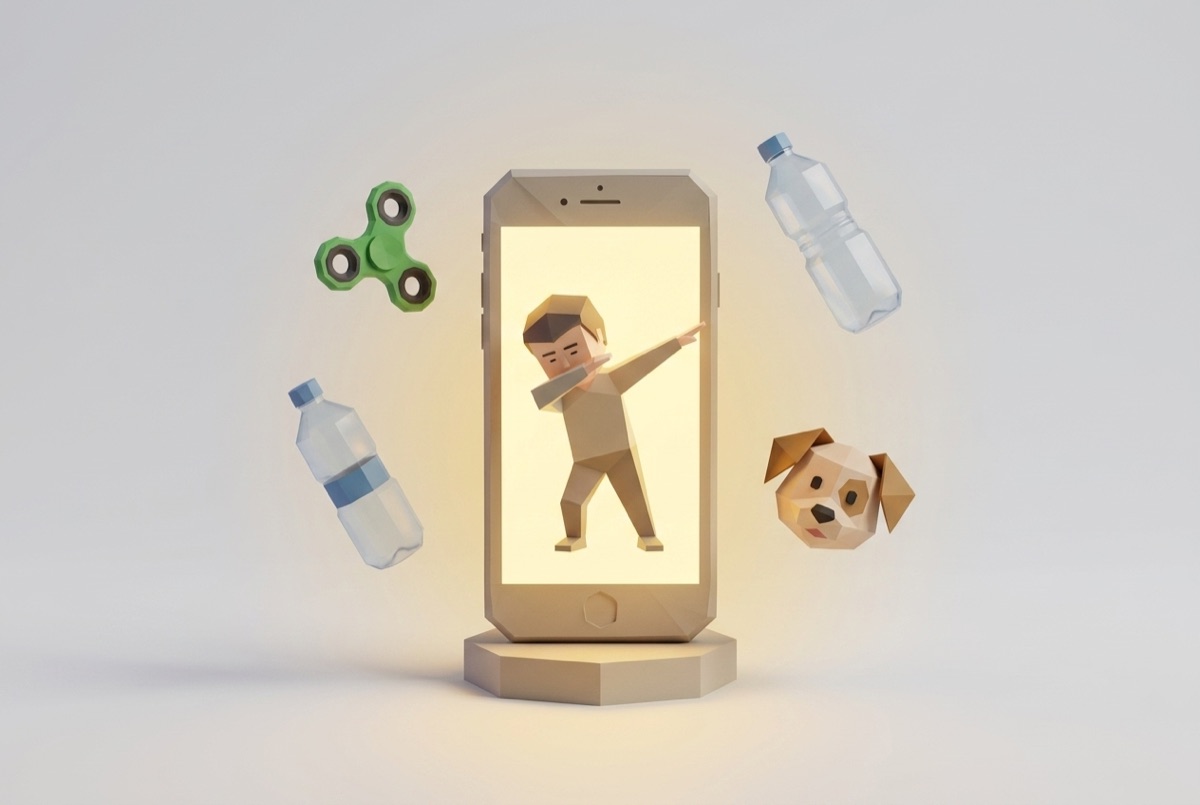
People are dabbing again. On purpose.
TikTok has declared 2026 "the new 2016," and millions of users are recreating the Bottle Flip Challenge, the Mannequin Challenge, and Snapchat's puppy-dog filter like they're performing historical reenactments. The hashtag #2016 has racked up tens of millions of posts. There's even a Wikipedia article about it.
The real reason is sadder and funnier than nostalgia: 2016 was the last year the internet felt weird but not broken. Before AI slop. Before deepfakes. Before everything got optimized into beige. TikTokers are calling it "the Great Meme Reset," and honestly — they might be right.
Western WeChat finally dropped
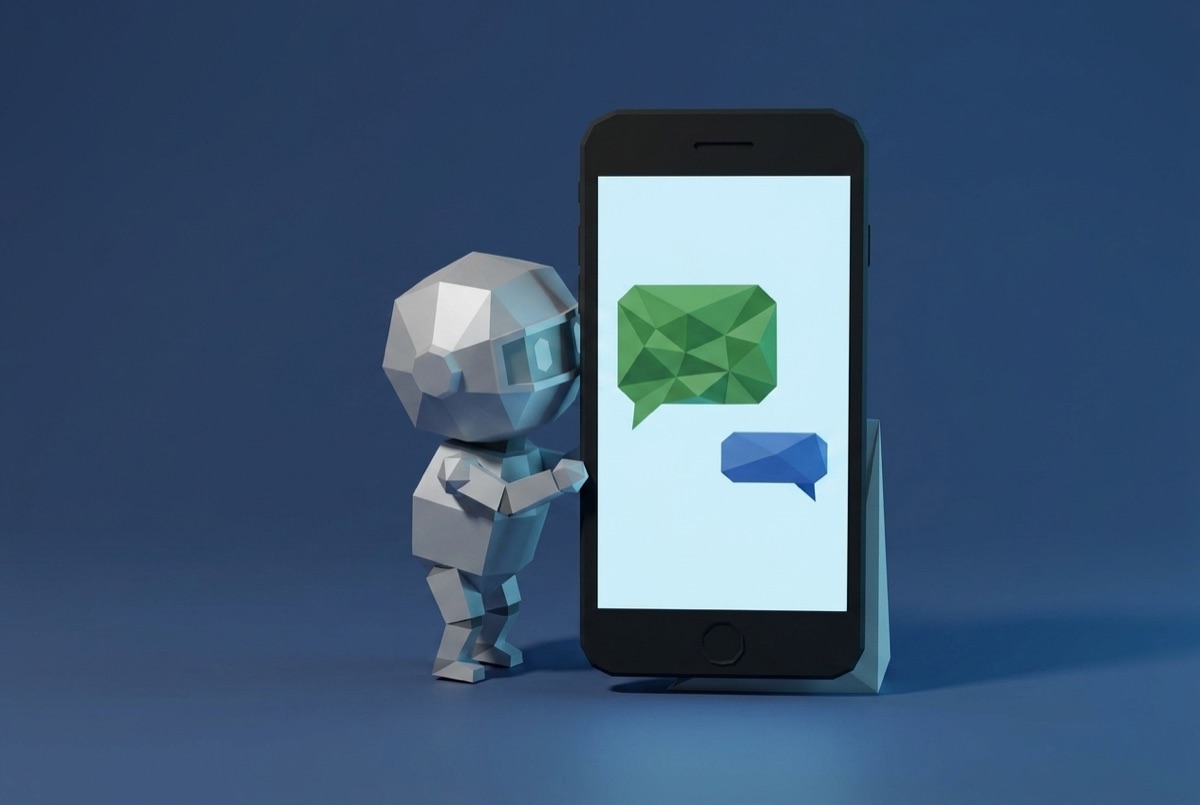
Elon Musk finally shipped his WeChat clone. It's called XChat. The Chinese internet immediately renamed it 西方微信 — "Western WeChat."
It took China one app and fifteen years to build a true super-app. It took Musk four years just to announce he'd build one. XChat requires iOS 26, so half the world can't run it, and the App Store filled up with fakes within days.
Favorite detail: you can long-press any message to "Ask Grok" for AI analysis — which quietly sends an unencrypted copy of that message off to do it. A privacy app, allegedly.
The Great KitKat Heist
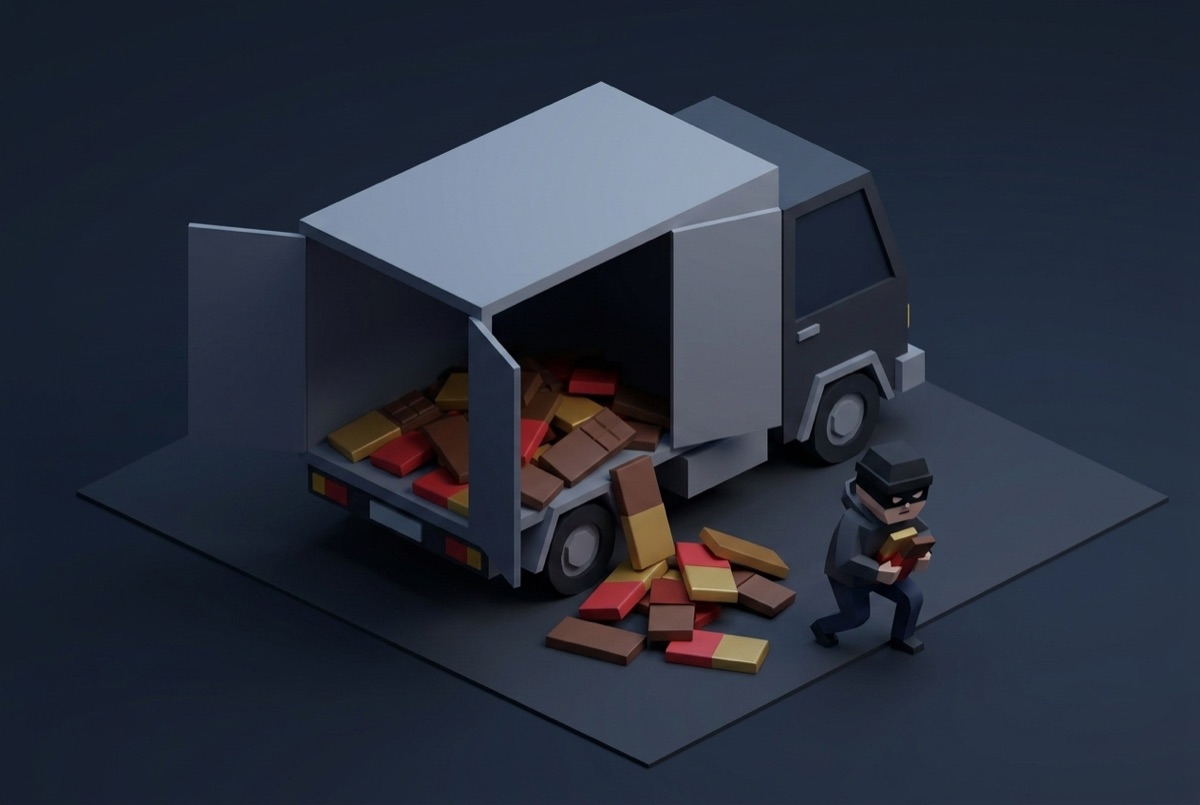
Somebody stole twelve tons of KitKat bars — 413,793 of them — off a truck somewhere between Italy and Poland. They were special-edition F1-branded KitKats.
Nestlé was so rattled it built a website where you can punch in your KitKat's batch number to check whether it's one of the stolen ones. They were never recovered.
If you spot 400,000 KitKats at the Night Market, you didn't hear it from us.
That's four. The Night Market collects this stuff as it crosses over — wander the stalls or come back for the next dispatch.
come on in
The Night Market is a row of little internet stalls — some viral, some weird, all open after dark.
Wander the stalls →